
When a church family loses someone who spent their life serving others, the grief often reaches far beyond one household.
Military and first responder families, along with the people who love them, carry a unique kind of loss. Alongside sorrow, there can be pride, unanswered questions, trauma, exhaustion, and a deep sense of disruption. Memorial ceremonies and public honors may acknowledge the person’s service, but grieving families still need ongoing personal care long after the meals stop coming and the headlines fade.
Church leaders have an opportunity to provide steady, compassionate support during one of the hardest seasons a family may ever face.
Understand that grief may look complicated
Families grieving the loss of a service member or first responder are often carrying more than one burden at a time.
Some losses happen suddenly and traumatically. Others follow years of stress, deployments, injuries, or emotional strain. In some situations, families may also wrestle with difficult emotions surrounding the circumstances of the death itself. That complexity can leave grieving people feeling isolated or misunderstood.
Linda, whose son Clayton served in the Army, had a difficult time processing everything surrounding his death. The church didn’t try to “fix” Linda’s grief. They stayed present, helped carry practical burdens, listened, remembered her son, and continued walking with her long after the funeral ended.
“My care group from church came over. They took control of meals and planned times for people to even come over to my house. … My care group was so supportive. My church was so supportive.”
For church leaders, it’s important not to oversimplify grief or rush people toward “closure.” The key is to offer a ministry of accompaniment to families who may need space to process confusion, anger, regret, guilt, or spiritual questions alongside their sorrow.
Your calm presence often matters more than having the perfect words.
Remembering and honoring
One of the most meaningful ways you can care for grieving families is by helping them remember the person’s life—not just their death.
Linda says a military casualty assistance officer told her something she desperately needed to hear: “You need to not be so focused on how he died, but how he lived.”
That perspective became deeply healing for her.
Churches can help families remember the fullness of the person they lost:
- Share stories about the person’s character and impact.
- Invite people to talk about meaningful memories.
- Acknowledge the ways they served and cared for others.
- Continue mentioning their loved one after the funeral.
For grieving families, hearing their loved one’s name still spoken matters more than many leaders realize.
Be prepared for long-term grief support
One common mistake churches make is assuming the hardest part of grief happens in the first few weeks.
Often, that’s only the beginning. Linda reflects that the full reality of losing her son didn’t hit her immediately: “It didn’t seem like it really hit home with me until really two years later.”
Traumatic loss, military culture, crisis management, funeral responsibilities, and family stress can delay the grieving process. Once life quiets down, grief may surface more intensely.
That’s why ongoing care matters.
Simple acts of follow-up can make a meaningful difference for grieving families. A text or phone call months later, remembering difficult anniversaries and holidays, offering practical help, continuing to invite them into community, and making space for honest conversations all convey an important message: “You and your loved one have not been forgotten.”
Create a church culture where grief is welcomed
Grieving families often feel pressure to stay strong—especially families connected to military service or first responder culture.
Churches can help by creating environments where people don’t feel they must hide their pain.
That starts with leaders who are willing to stay present at all times. Linda says one of the most healing parts was realizing she was not alone. Her church care group not only organized meals and coordinated visitors but also stayed physically present with her in the immediate aftermath of her loss.
Linda’s pastor and church later supported the start of a GriefShare group, through which she found long-term healing and community. It was there that trusted Christian friends helped guide her spiritually when she struggled with anger and bitterness.
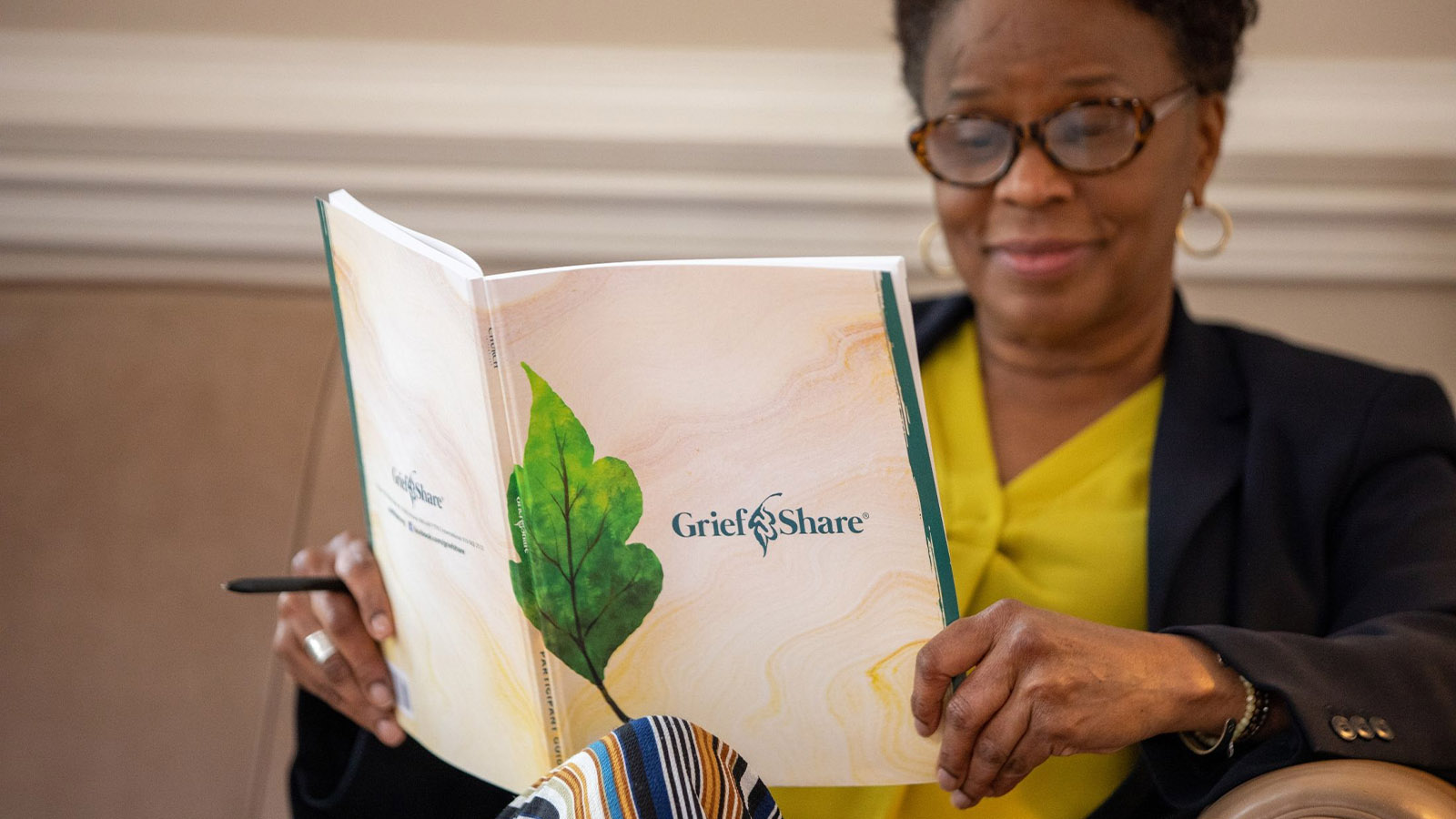
GriefShare support ministries help churches move beyond short-term care into deeper, ongoing ministry. They provide a place where hurting people can talk honestly, hear from others who understand grief, and find hope amid difficult circumstances.
For many churches, a grief support group becomes one of the most practical ways to care for families after a significant loss.
Your church can become a place of steady hope

Church and ministry leaders do not need to have all the answers to care well for grieving people. You simply need a willingness to stay present, listen compassionately, and walk alongside families through the long road of grief.
For families grieving the loss of a service member or first responder, that kind of steady care can become a powerful reflection of Christ’s love.
Learn how your church can host a group that provides deep care to grieving people.