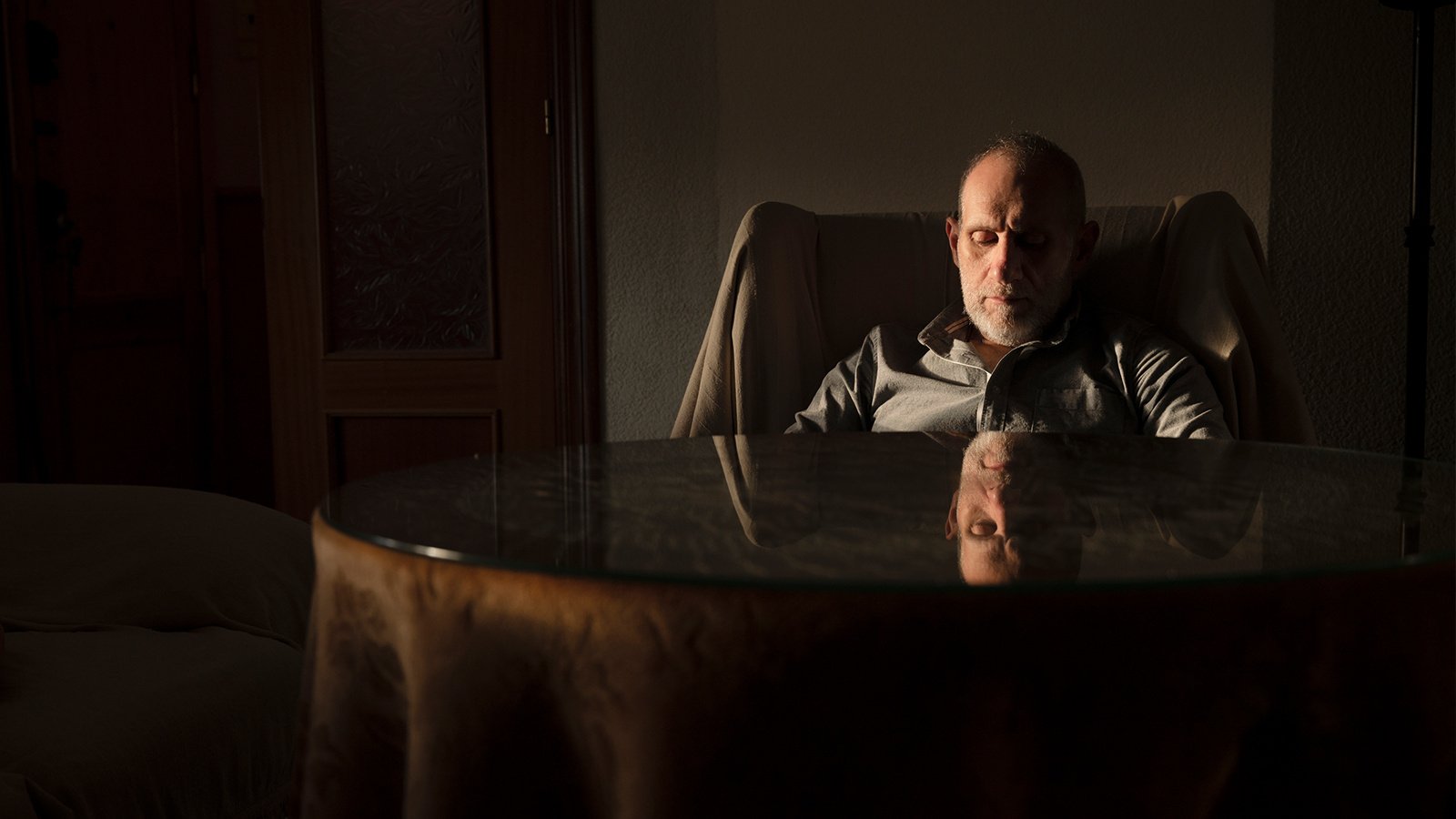
Grieving After Suicide Loss: Krissie’s Story

Disclaimer: This article contains discussions or references to suicide, which may be distressing to some readers. If you or someone you know is struggling, please reach out for support—call or text 988 for the Suicide & Crisis Lifeline.
If you have lost someone to suicide, you may find yourself returning to the same painful questions again and again.
What did I miss?
What could I have done differently?
Why didn’t I see it sooner?
For many people coping with suicide loss, these questions can feel relentless. The pain is intense, the unanswered questions linger, and suicide survivor guilt can feel overwhelming. Grief after losing someone to suicide often carries a weight that is hard to explain.
Krissie knows that kind of pain firsthand.
Today, her story is featured in the GriefShare video series, where she speaks openly about the complex grief that can follow suicide loss. But before she began sharing her story with others, she was a young mother trying to survive the unimaginable.
Krissie's husband, Eric, died by suicide. In an instant, she was widowed and left to raise their toddler twins alone. Like many people grieving after suicide, Krissie found herself living with questions that seemed impossible to answer.
When someone you love struggles silently
Krissie and Eric had built their lives around ministry. Eric felt called to serve as a pastor, helping others grow in faith and navigate life’s challenges.
Behind the scenes, however, Krissie says Eric struggled with depression and anxiety for years, “even before I knew him.”
Many people who struggle with depression become skilled at hiding it. Eric was outgoing, energetic, and deeply compassionate. Few people noticed the emotional burden he carried.
Over time, the pressures of ministry, personal loss, and ongoing mental health struggles grew heavier.
Then one day, everything changed.
The day everything changed
Krissie remembers the last day she saw Eric alive.
He had been gone most of the morning. When he returned home, she immediately sensed that something was wrong.
Before leaving again, Eric went upstairs and hugged his two toddlers, twins who were not yet two years old. He kissed them and told them he loved them.
Then he looked at Krissie. “I’m sorry. I love you.” And he walked out the door.
Later that day, Krissie called to check on him. Eric answered and told her he was at the store and that he planned to take his life.
After asking her parents to watch the kids, she rushed out to look for him.
At one point, their cars passed each other on the road. Both hit the brakes, but traffic kept them moving in opposite directions. Krissie assumed Eric would turn around and follow her.
He didn’t.
Instead, she pulled into a parking lot and waited.
“I sat in that parking lot for 30 minutes and called him,” she says.
While she waited, her mind filled with questions. What if there hadn’t been traffic? What if I just turned around and followed him?
Those questions stayed with her long after that day.
Why suicide grief feels complicated
Suicide loss often brings a painful mix of emotions. Along with deep sorrow, many people experience:
- intense guilt
- regret and second-guessing
- anger or confusion
- shame or isolation
Krissie experienced many of those feelings.
“I replay that day and those years leading up to that day over and over,” she says.
She also wrestled with difficult questions about God. Could I have saved Eric? Did I fail him? Does God still love me?
If you have questions like these, you’re not alone. Many people coping with suicide loss struggle with similar thoughts.
Living in the fog of grief
In the weeks after Eric’s death, Krissie felt completely lost.
She was suddenly a single parent, and the future she had imagined was gone. The grief, guilt, and shock felt crushing.
“I was really lost,” she says.
Many grieving people describe those early days as living in a fog. Grief can cloud your thinking, make everyday decisions feel impossible, and leave you unsure how to move forward.
Krissie knew she needed help. She began counseling and started speaking honestly about the painful emotions she had been carrying.
In those early sessions, she often just cried.
Gradually, something began to shift.
Learning important lessons
One of the most important things Krissie learned in counseling was the guilt she carried since Eric’s death.
As she talked with her counselor, she began to examine the self-blame that had taken hold in the aftermath of his death. Looking back, she says counseling helped her begin to see that Eric’s decision was not hers to carry.
That shift did not erase her grief, but it did begin to ease some of the blame she had been carrying.
Healing after suicide loss rarely happens all at once. More often, it comes slowly, one small step at a time, as truth begins to make room for grace.
Discovering hope again
Months after Eric’s death, Krissie experienced a moment of unexpected peace.
She and her family were scattering his ashes by the ocean. As she stood there, overwhelmed by grief, she felt a quiet sense of reassurance.
It felt like, “He’s okay. No more pain, no more sorrow.”
That moment didn’t erase her grief. She still misses Eric deeply. But it helped her begin to see that hope was still possible, even after devastating loss.
Today, Krissie shares her journey through GriefShare so others know they are not alone in their own journey of healing after suicide loss.
Finding support after suicide loss
If you’re grieving the suicide of someone you love, the road ahead may feel lonely and overwhelming. You may be carrying guilt, unanswered questions, or a sadness that feels too heavy to bear.
But there is support after suicide loss.
At GriefShare, you’ll meet people who understand the unique pain of losing someone you love. In a safe and welcoming group, you can talk openly about your grief, learn what helps the healing process, and find encouragement for the days ahead.
If you’re looking for a grief support group after losing someone to suicide, or simply need a place to begin, GriefShare can help. Find a group near you at griefshare.org.
Even after the darkest loss, hope is still possible.