
Surviving Valentine’s Day After the Loss of Your Spouse
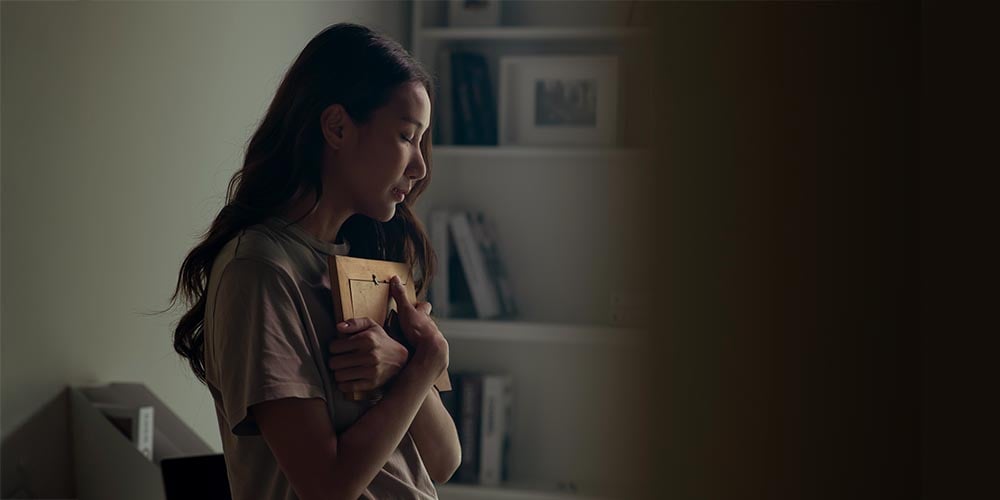
Valentine’s Day can feel impossible when the person you love most is gone. A day that once felt sweet or simple now feels like a spotlight on your loss. If you’re dreading February 14, know that your feelings are valid—and you’re not alone.
Whether this is your first Valentine’s Day without your spouse or one of many, grief often resurfaces when love is on display everywhere you turn. Cards, commercials, flowers, and couples holding hands can stir up a deep ache. This day hurts because your love is real—and it still matters.
You don’t have to do Valentine’s Day "the right way." You only have to get through it—with honesty, gentleness, and support.
Why Valentine’s Day can feel so painful after loss
Valentine’s Day puts romantic love and togetherness on display. When your spouse has died, that focus can intensify feelings of loneliness, sadness, anger, or numbness. You may find yourself replaying memories of past celebrations or wishing you could skip the day entirely.
Grief doesn’t follow a straight line. Even if you’ve been coping well lately, a holiday can knock the wind out of you. That’s normal. It isn't a sign that you're backsliding; it's a sign that you're grieving.
Planning gently
One of the hardest parts of Valentine’s Day is the uncertainty of how you'll feel. A loose plan can help you feel a little more grounded.
Ask yourself: What feels hardest about this day for me? Do I want to be alone, or with someone I trust? Is there a small way I can honor my spouse today?
You don’t need a full schedule. A simple plan—like taking the day off, serving others, avoiding certain places, or setting aside quiet time—can make the day feel more manageable.
Ways to cope with Valentine’s Day grief
You don’t need to do all of these. Choose one or two that feel right for you:
- Remember your spouse with intention. Light a candle, visit a meaningful place, write a letter, or look through old photos. Love doesn’t end when someone dies.
- Give yourself permission to opt out. It’s okay to treat Valentine’s Day like any other day. Feel free to avoid stores, restaurants, and social media if they feel overwhelming.
- Practice self-care without guilt. Rest, journal, or take a long walk. Order your favorite meal, or do something that brings even a small sense of comfort.
- Decide what you need—connection or quiet. Some people need support on this day; others need solitude. Either is okay. If you do reach out, choose people who understand your grief.
- Be kind to your heart. If emotions hit unexpectedly, remind yourself: This hurts because I loved deeply.
Reframing Valentine’s Day
Valentine’s Day doesn’t have to be about romance alone. At its core, it’s about love—and love takes many forms. That might look like love for your children or family, a friend who checks on you, or even compassion toward yourself.
Reframing the day doesn’t erase the pain, but it can soften the edges.
You don’t have to walk through this alone
Grief is heavy—and it's even harder to carry when you feel isolated. Many people find comfort in connecting with others who truly understand what it’s like to lose a spouse.
GriefShare offers a safe, caring space where you can share your story, listen to others, and find practical help for the days that hurt the most. You don’t have to have the right words. You just have to show up.
Find a GriefShare group near you.
For some people, it also helps to have something they can return to quietly—especially on days like Valentine’s Day, when grief can feel more personal and intense. Loss of a Spouse: Navigating the Pain of Grief is a GriefShare resource that acknowledges the unique weight of losing a spouse. It offers gentle guidance, Scripture-based encouragement, and space to reflect at your own pace—whether you’re part of a group or walking through this season on your own.
If the idea of Valentine’s Day feels unbearable right now, hear this: you will get through it. It may not look the way you hoped. But you don’t have to face it alone—and you don’t have to rush your healing.
Be gentle with yourself. Your grieving heart deserves that.