

James avoided eye contact as he stood by the casket, hands clenched in his pockets. He could feel the stares, the barely audible whispers. Thankfully, no one said it out loud, but he knew what they were thinking: What was really going on in that house? Didn’t they see it coming? Why didn’t they get him more help? It wasn’t just that his brother was gone; it was how he died. People could mourn openly when someone died because they were sick or when they got in an accident, but this way? The grief felt different. It was messier. More isolating. It wasn’t exactly feelings of guilt; it was something else. But, what?
James was battling feelings of shame. Shame can surface in various situations:
When the death carries a stigma:
That feeling often accompanies a death by suicide, drug overdose, or other unconventional ways of dying. Physician Dr. Kathyrn Butler explains:
Sadly, you can struggle with shame, as there’s a stigma that still exists around suicide. Even within the church. One study was done recently [involving] churchgoing people who’d lost a loved one to suicide. And 50% said people in their communities were more likely to gossip than to offer support. So you might be feeling scrutinized and like you can’t reach out for support.
When others think your grief is unusual:
You may also experience feelings of shame for the way you’re mourning—or even that you’re mourning. If you are mourning an ex, a distant friend, or even a celebrity, it may feel like you don’t have a right to mourn. The same can be said of anguish over the death of a pet.
When the intensity of your grief is in question:
Alan shamed his sister when she expressed deep grief over the death of his spouse. “She was my wife, Claire, why are you acting like this is your loss?” Or perhaps the shame goes the other way, when it seems like you aren’t grieving hard enough.
When grief doesn’t fit people’s expectations:
Cultural and religious expectations can also lead to shame. If your grief doesn’t align with those expectations, you might feel shame for grieving “incorrectly.”
Therapist Ron L. Deal shares about the difficulty of shame attached to grief:
Shame is really insidious because it says, “I’m bad. I’ve done something wrong.” It’s speaking to your value and your identity. And when you struggle with that, it’s a vicious cycle. It will pull you further and further into isolation—which means the shame just grows and grows.
Combatting your isolationist tendencies is one of the strategies for combating shame. Deal goes on to say, “You have to push yourself out of that isolation. You have to find a trusted person that you can talk about this with and give voice to the shame.”
Talking to others can help us assess whether our shame is justified or misplaced. Much like guilt, shame comes when you have violated your personal set of rules, goals, and values. But with shame it is an assessment that you yourself are defective or contaminated.
Shame isn’t always accurate in its assessment. The only true standard for evaluating shame is the Bible. If your lifestyle or actions violate God’s commands, repentance will bring healing. But if your shame comes from expectations God never placed on you, it’s a burden to reject. What we might have to do is learn to separate our identity and actions from that of our loved one. Speaking of shame attached to a loved one’s suicide, counselor Dr. Elias Moitinho says:
When you are dealing with shame, it may be important for you to realize this was your loved one’s decision and your loved one’s actions. It was not your fault. It was not your action. Making that distinction will be important for you. Yes, it may have brought shame to your family, to your family's reputation, but it was not your action.
Shame isolates, but God does the opposite—He moves toward the brokenhearted and lifts their shame. Isaiah 61:7 declares, “Instead of your shame you will receive a double portion, and instead of disgrace you will rejoice in your inheritance.” Jesus embodied this truth throughout His ministry, moving toward those shamed by society—whether it was the woman caught in adultery (John 8:10–11), the outcast woman at the well (John 4:7–26), or the sinful woman who anointed His feet (Luke 7:37–50). He did not ignore their pasts, but neither did He define them by their shame. Instead, He offered grace, restoration, and a new identity. If you are carrying shame in your grief, know this: Jesus does not turn away. He invites you to bring your burdens to Him and receive the healing only He can give.
Continuing your journey: Read Isaiah 61:1–3. How do these verses describe what God does for those who are brokenhearted and grieving? Take a few moments to write down an area where you feel shame in your grief. Then, reread the passage and replace the word “they” with your own name. How does this change your perspective on how God sees you in your grief?
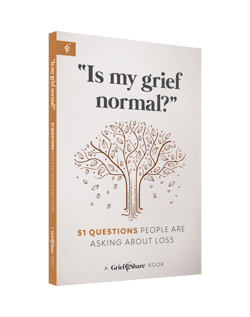
If you found this article helpful, you may appreciate the book “Is My Grief Normal?” 51 Questions People Are Asking About Loss, which explores more of the tough questions that come with loss. And if you’re ready to walk alongside others who understand, consider joining a GriefShare group where you’ll find Christ-centered support and encouragement.