

Maybe you expected to cry every day, but instead you feel numb. Somehow, you thought you’d be “doing better” by now, yet certain moments still knock the wind out of you. Perhaps your grief doesn’t look anything like the grief you’ve heard about from other people—and that can feel unsettling.
Many people enter grief with assumptions about what they’re “supposed” to feel or how they’re “supposed” to heal. Yet grief rarely follows a predictable path. It often surprises people with its intensity, timing, and even the emotions it brings.
If your grief feels different from what you expected, you’re not failing.
Grief doesn’t follow a formula
Some people feel overwhelming sadness right away. Others feel shock, exhaustion, anger, relief, confusion, or even brief moments of calm.
You may find yourself functioning normally one day and struggling to get out of bed the next. You’ll cry unexpectedly in the grocery store but feel emotionally flat at the funeral. You may want to talk constantly about the person you lost—or not want to talk at all.
All of these responses can be part of grief.
One reason grief feels so confusing is that loss affects every part of your life at once. Your routines change. Your relationships shift. Your sense of safety or identity may feel shaken. Even simple tasks can suddenly feel difficult.
Grief itself is deeply personal. Your relationship with the person who died was unique. Your personality, history, and circumstances are unique, too. So your grief won’t look exactly like anyone else’s.
Unexpected emotions in grief
People are often surprised by the emotions grief uncovers.
You may feel anger at doctors, family members, God, or even the person who died. You may feel guilt over things you said—or things left unsaid. You may feel anxious about the future or emotionally disconnected from people around you.
Some grieving people even feel relief after a loved one’s long illness or difficult suffering ends. That relief can bring confusion or shame, but it doesn’t mean you loved the person any less.
Grief can also affect you physically. Trouble sleeping, forgetfulness, exhaustion, headaches, and difficulty concentrating are all common responses to loss.
Sometimes people begin wondering, Why am I grieving this way? A better question may be: What is my grief trying to tell me?
Your reactions often reflect the depth of the loss and the strain your mind and body are carrying.
Comparison can make grief harder
One of the quickest ways to feel discouraged in grief is by comparing yourself to others.
You may know someone who seemed to recover quickly, or someone may have told you what grief “should” look like.
Grief doesn’t have a checklist or a timeline. Even people grieving the same person may experience the loss very differently. A spouse, sibling, child, and friend can all carry very different kinds of pain after the same death.
Trying to measure your grief against someone else’s experience often leads to frustration or isolation.
What many grieving people need most is permission to grieve honestly—not perfectly.
Healing often looks slower than expected
Many people assume grief should steadily improve with time, but healing is often uneven. Certain dates, smells, songs, or memories can suddenly bring fresh waves of sorrow months or years later. That doesn’t mean you’re moving backward. It simply means grief has layers.
Over time, many people learn to carry both love and loss together. The pain may soften, even though the absence remains real.
Healing seldom occurs alone. Surrounding yourself with people who understand grief can be impactful. Listening to others share feelings similar to yours can provide comfort—particularly when you’ve felt lost or lonely in your mourning.
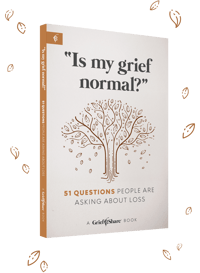
Wondering if your grief is normal?
After your loss, you may be surprised by what grief feels like, and you may be asking yourself, "Am I grieving the right way?" or even, "Am I going crazy?"
Many of these questions are answered in GriefShare's Is My Grief Normal? 51 Questions People Are Asking About Loss. Through biblical encouragement, expert insights, and compassionate answers, the book helps readers better understand their grief and find hope for the journey ahead.
You don’t have to navigate grief alone
In this preview video from GriefShare Session 1, you will hear from people who share honest stories about the shock and confusion they felt after losing someone they loved. You'll also hear how common these reactions are and why support is crucial on every grief journey.
GriefShare groups provide a caring place where grieving people can learn, share, and hear from others who understand the many complex emotions that accompany loss.
Crystal, a GriefShare participant, says, "Listening to others share their grief journey and watching the videos allowed me to understand that we all grieve differently. I felt comforted by the group and safe to share my true feelings about my brother's death."
Whether your loss is recent or years old, there is hope for healing—even if your grief journey looks different from what you imagined.
You’ll discover that many experiences that feel confusing or isolating are actually common responses to grief. And you don’t have to have everything figured out before you come.
Whether your loss is recent or years old, there is hope for healing—even if your grief journey looks different from what you imagined. Find a GriefShare group near you.