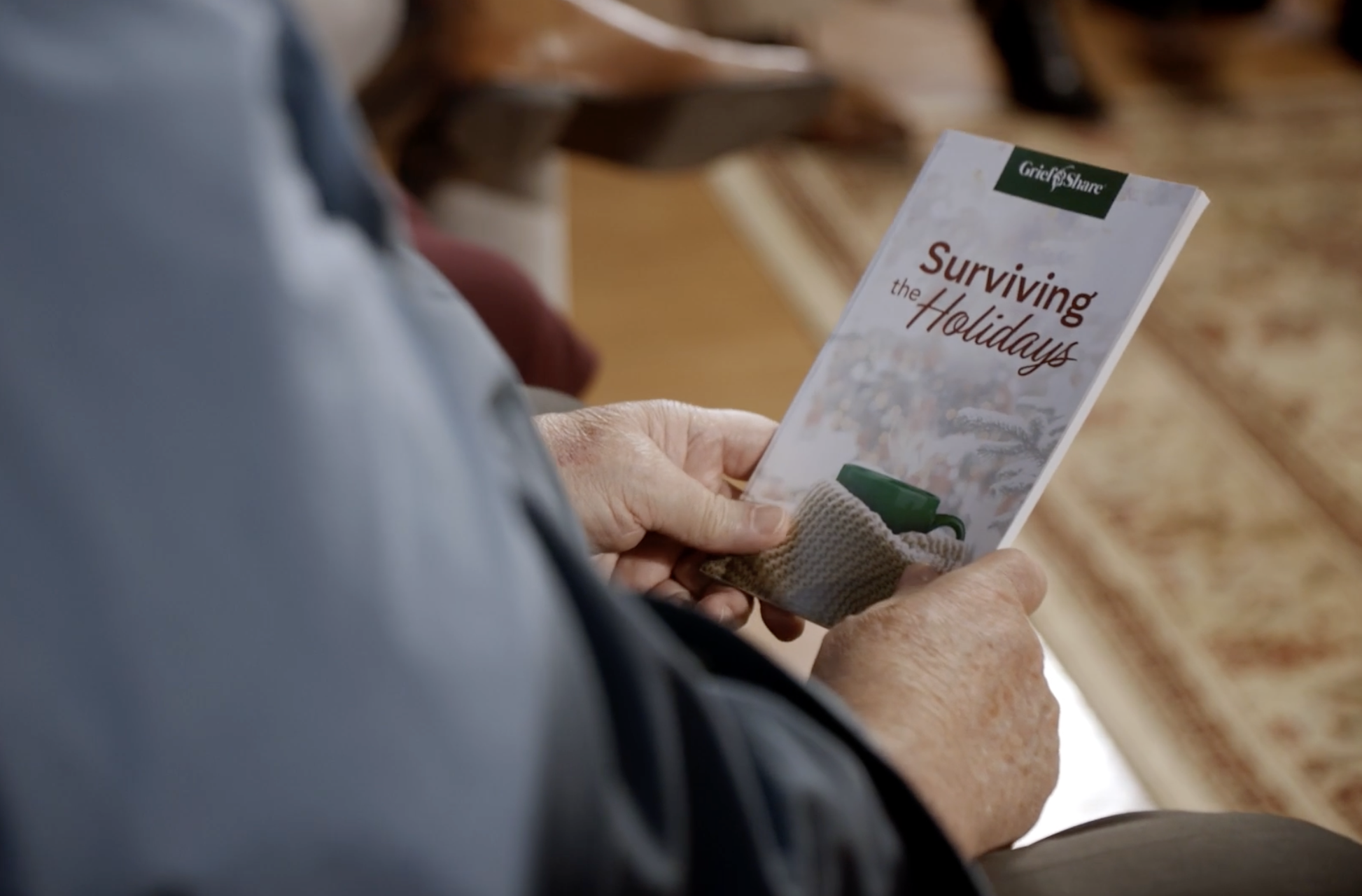
How Churches Can Better Support Widowed Men

When a husband loses his wife, the church has an opportunity to walk with him through one of life’s most disorienting seasons.
Many widowed men show up at church every week carrying deep grief that few people recognize. They may continue serving, greeting people at the door, attending Bible studies, or sitting quietly in the same pew. From the outside, they appear to be managing.
Inside, many are trying to figure out how to build a life they never expected to live.
Because widowers often grieve differently than widows, their needs can go unnoticed. Churches that understand those differences can provide meaningful care that helps men remain connected to God, to others, and to the church family.
Many widowed men grieve quietly
There is no “right” way to grieve. Every person experiences loss differently. But research consistently shows that many men process grief in less visible ways.
Some throw themselves into projects. Others stay busy with work, volunteer work, or household tasks. Many focus on caring for everyone else before acknowledging their own pain. More than half of grieving men report hiding their emotions because they feel they need to stay strong or support others.
That doesn’t mean they aren’t hurting. In fact, many widowers describe profound loneliness after the death of a spouse. They often lose not only their closest companion but also much of their daily routine, social life, and emotional support system.
Church leaders can mistakenly assume, “He seems to be doing okay.”
Sometimes, that’s exactly when he needs someone to reach out.
Start with presence—not solutions
Pastors are often among the first to be called by families after a death. While funeral planning and memorial services are important, the ministry shouldn’t end when the service does. One of the greatest gifts you can offer a widower is your presence.
People in early grief often need someone who will simply listen without feeling the need to explain away their pain or offer quick answers. Gentle responses such as “I’m here” or “Tell me about her” often provide more comfort than advice.
Following up with phone calls, visits, and handwritten notes in the weeks and months after the funeral reminds widowers that they haven’t been forgotten.
Consistent care communicates something powerful: “You don’t have to carry this alone.”
Understand the challenges widowers often face
After decades of marriage, many men suddenly find themselves navigating responsibilities they rarely handled before.
-
Cooking all the meals.
-
Managing household routines.
-
Making medical decisions alone.
-
Learning how to celebrate holidays without their spouse.
-
Perhaps most difficult of all is returning to an empty home every evening.
Many widowers are also reluctant to ask for help. They may fear becoming a burden or believe they should simply “push through.”
Churches can remove that barrier by offering practical support before it’s requested.
Practical ways your church can care for widowed men
Not every church has the resources to build a large ministry. But every church can intentionally care for widowers.
Consider creating opportunities such as:
- Regular check-ins from pastors, deacons, or trained volunteers.
- A support group where widowers can meet others walking a similar journey.
- Small teams that assist with home maintenance, transportation, or seasonal projects.
- Invitations into existing men’s ministries, Bible studies, and fellowship events.
- Ongoing follow-up during birthdays, anniversaries, holidays, and other difficult milestones.
Many churches have discovered that assigning long-term care teams—not just providing one-time assistance—creates lasting relationships that help widowers remain connected to their church family.
Offer an easy first step
One of the most effective ways churches can support widowed men is by offering multiple entry points for care.
For someone whose loss is recent, GriefShare’s Loss of a Spouse seminar offers immediate encouragement. In just one session, widowers receive practical insights about the unique challenges of losing a spouse, hear from others who have walked the same road, and discover that what they’re experiencing is common.
For many widowers, attending Loss of a Spouse becomes a comfortable first step before joining a full GriefShare group. Others simply leave encouraged to know they are not alone.
Many churches then invite attendees to a GriefShare support group, where they continue to receive biblical encouragement, practical guidance, and compassionate support over the weeks that follow. As relationships develop, many widowers become more comfortable sharing their experiences and building meaningful friendships with others who understand.
Together, these ministries help grieving spouses know they don’t have to navigate this new season alone, provide support at different points in their journey, and offer multiple opportunities to connect before isolation takes root.
Don’t overlook the spiritual questions
The death of a wife often raises questions that extend beyond grief itself.
Common grief questions a widower may ask:
- Why did God allow this?
- What does life look like now?
- How do I keep moving forward alone?
- Will I ever experience joy again?
While pastors don’t need to have every answer, they can gently point grieving men toward the hope found in Scripture.
Conversations about God’s faithfulness, the promise of eternal life through Christ, and the hope of future reunion can become anchors during seasons when everything else feels uncertain. Many grieving spouses also find comfort when trusted church leaders simply make space for those questions instead of rushing to resolve them.
A church that remembers makes a lasting difference
The weeks after a funeral are often filled with meals, visitors, and phone calls.
Months later, the silence can become overwhelming.
A church that continues reaching out long after everyone else has returned to normal life reflects the heart of Christ. It reminds widowers that they remain seen, valued, and deeply loved by their church family.
Sometimes the most meaningful ministry isn’t found in having the perfect words.
It’s found in faithfully showing up.
Help widowers find hope before they grieve alone
The days and weeks after the death of a spouse are often when people feel the most overwhelmed—and the most isolated. By offering both GriefShare’s Loss of a Spouse seminar and a GriefShare support group, your church can provide immediate comfort and ongoing care for widowed men and women.
The seminar creates a welcoming first step for people who may not be ready to join a weekly group, while GriefShare offers continued support as they learn to navigate life after the loss of a spouse.
Host a GriefShare group and consider offering a Loss of a Spouse seminar to help grieving men experience the hope, community, and biblical encouragement they need during one of life’s most difficult seasons.