When someone loses a loved one, people in their church often rally around them right away. The church sets up a meal train. Sunday school classes send flowers and cards. Friends offer prayers and support and step in when needed.
After the funeral, as everyday life resumes, many grieving people quietly drift away from church.
Not because they want to leave. They simply feel too exhausted to show up. Sometimes church feels painfully different after loss, and they feel invisible in a room that once felt like home.
For church leaders, this can feel confusing and heartbreaking. Because you care deeply about grieving people, you want your church to be a place of comfort and hope. Yet many grieving people disappear quietly—without ever explaining why.
Understanding what grieving people may be experiencing can help your church respond with greater compassion and care.
Why grief can make church feel difficult
Grief affects every part of a person’s life—including their relationship with church, worship, and community.
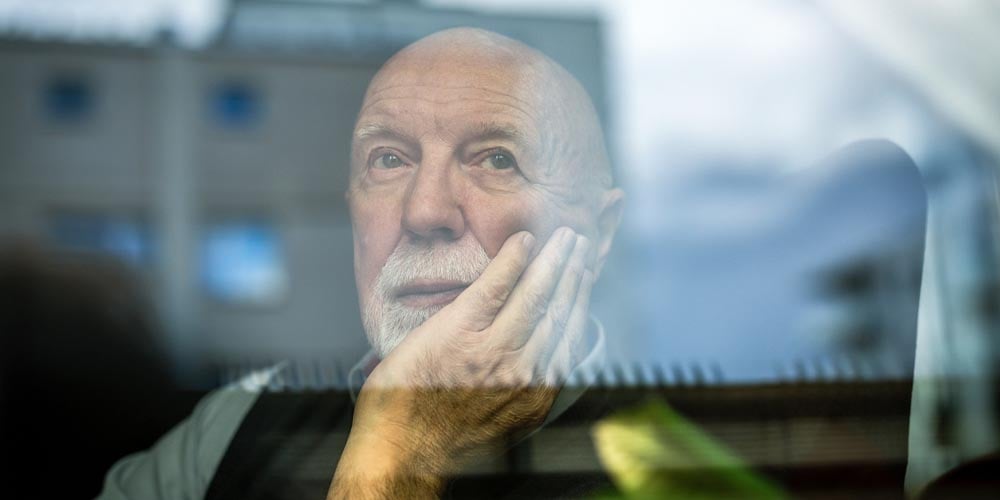
A grieving person may sit through a service and struggle to focus on what is being said. Familiar worship songs can suddenly stir deep pain. A sermon on joy or gratitude may unintentionally feel isolating. Some people feel overwhelmed by emotions they cannot control. Others feel numb.
Many grieving people become physically and emotionally exhausted. Even small tasks like walking into a crowded lobby and repeatedly responding to “How are you?” may feel overwhelming.
For some, grief also raises difficult spiritual questions. They may wonder why God allowed the loss, and may wrestle with anger, disappointment, confusion, or guilt. Even longtime believers can feel spiritually disoriented after a death.
The faith that once brought comfort may suddenly feel harder to access. Prayers become difficult. Answers feel elusive. God can seem farther away than ever.
That does not mean their faith is gone. It often means grief has shaken their footing, and they need time, support, and God's presence to find solid ground again.
Many grieving people fear becoming a burden
One reason grieving people quietly pull away from church is that they fear making others uncomfortable.
In the early days after a loss, people often receive a great deal of support. But as weeks and months pass, the attention naturally fades.
Meanwhile, the grieving person is often still struggling deeply.
They may begin to feel like everyone else has moved on while they remain stuck in pain.
Some stop attending because they do not want to cry in public. Others worry people are tired of hearing about their grief. Some feel pressure to appear “better” before they actually are.
This can create deep loneliness inside the church community itself.
Many grieving people are not looking for perfect answers. They simply want to know they are still welcome in their pain.
What helps grieving people stay connected
Churches do not need to have perfect words or professional counseling programs to care well for grieving people.
What often matters most is a consistent, compassionate presence. They need a ministry of accompaniment and reassurance that Jesus understands their grief because He Himself grieved loss.
Simple acts of care can make a meaningful difference:
- Checking in consistently after the funeral
- Remembering birthdays, anniversaries, and holidays
- Making space for honest conversations
- Letting grieving people share memories of their loved one
- Offering support without pressuring someone to “move on”
- Inviting grieving people into smaller, safer community settings
One of the most helpful things a church can provide is a place where grieving people can be honest without feeling alone. That is why grief support groups are so valuable.
Why grief support groups matter
Many grieving people feel isolated even when surrounded by caring people. Friends and family may want to help but may not fully understand the ongoing realities of grief.
A support group changes that. In a grief support group, people meet others who understand what it feels like to live with loss. They hear stories that sound familiar. They realize their grief responses are not unusual or “wrong.”
For many people, that realization brings enormous relief through assurance that they are not losing their minds.
Groups also help grieving people to continue processing their grief long after the funeral. Instead of feeling pressure to hide their pain, they can speak honestly and receive encouragement from people walking a similar road.
Churches often want grieving people to remain connected—but many need more than occasional hallway conversations on Sunday mornings. They need intentional care.
Your church can become a place of steady hope
You do not need to be a grief expert to help people who are hurting feel seen and supported.
Sometimes the most meaningful ministry happens through simple faithfulness—checking in, listening well, and continuing to make space for grieving people long after the initial loss.
When churches provide safe places for grief, people often experience something powerful: the reminder that they are not alone.
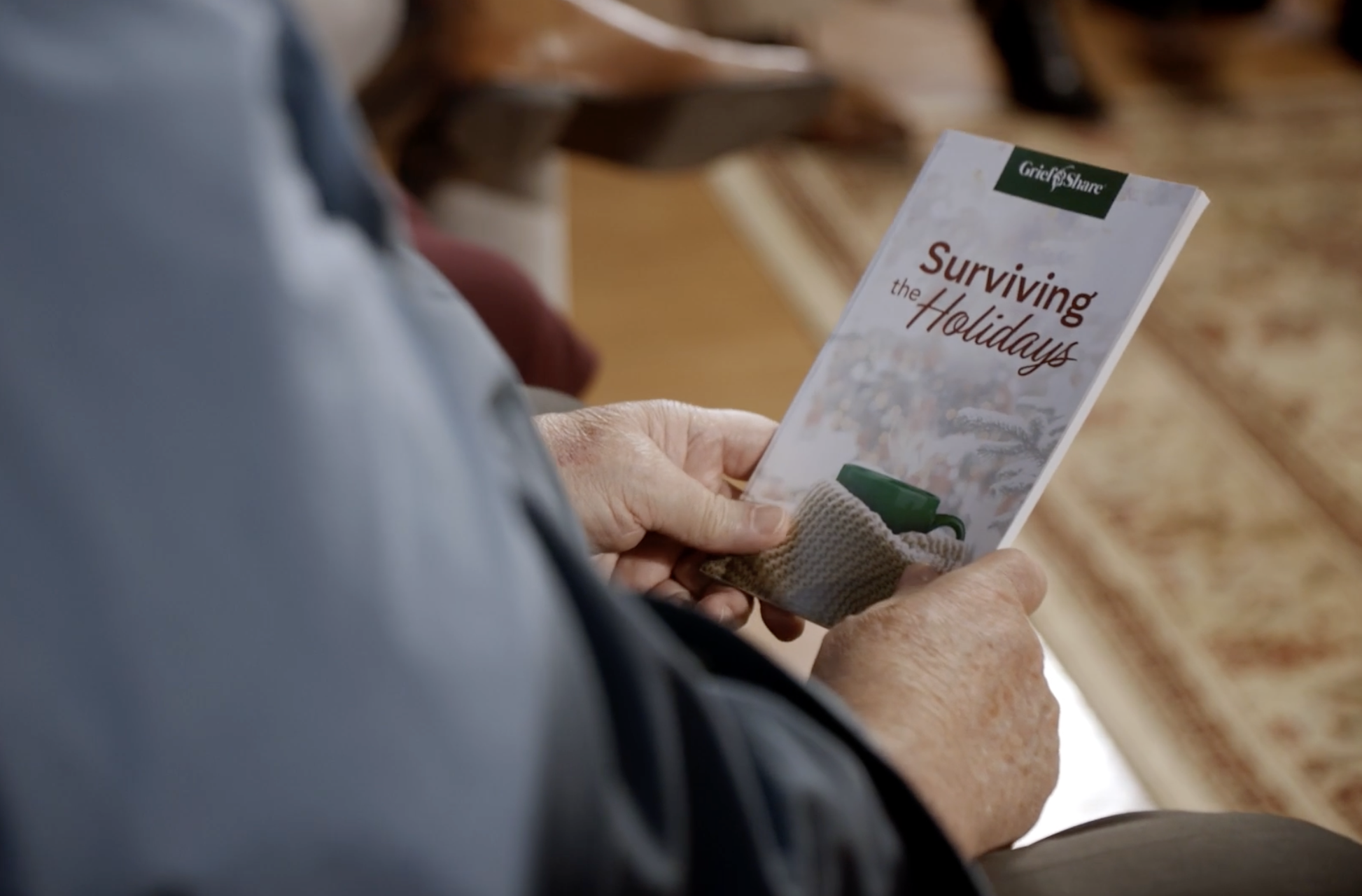
If your church wants to provide meaningful support for grieving people, consider hosting a GriefShare group. GriefShare equips churches with practical tools and trusted resources to help people navigate grief with understanding, compassion, and hope.

This kind of support can help grieving people stay connected to both their church community and their faith during one of the hardest seasons of life.
If your church already hosts a GriefShare group and it is in between sessions, check in with your GriefShare leaders and participants. Ask them about their GriefShare experience, and let them know you have not forgotten about them.