

When Willie’s wife died, he was surprised by two conflicting emotions:
I experienced two emotions that were in direct conflict with one another. One was a sense of relief, because my wife had experienced so much pain and had suffered so long that I was glad her suffering was over. On the other hand, there was also a feeling of guilt at feeling relief.
Dr. Kathryn Butler shares that this conflicting emotion is normal after the death of a loved one.
You might experience a feeling of relief at the death, especially if you’ve been a caregiver and have been in this state of grief for an extended period of time and have watched your loved one decline. [But then] you can start to feel guilty. You might say to yourself, How can I possibly feel relief when this person who mattered so much to me is gone? n these moments, it’s essential to show yourself grace. Your experience of grief is unique and your own, and your anticipatory grief can change your understanding of grief afterward as well. You shouldn’t have any kind of condemnation when this occurs.
You shouldn’t feel guilty for feeling relieved that your loved one is no longer suffering. Your sense of relief doesn’t come from their absence, but rather the absence of suffering for them.
Annette shares her sense of relief:
My mother was suffering, even though the doctors said that kidney failure is an easy death. Knowing her, she wouldn’t have wanted to live the way she did these past seven years. Her body was strong, but her mind was gone. It was heartbreaking, because she couldn’t do the things she used to love. In a way, her passing was a relief. Not because I didn’t love her, but because I knew she no longer felt trapped in a life she wouldn’t have chosen.
This feeling of relief might be especially true if your loved one prepared for death and was ready to “go home”. That was the case for Nora:
I was happy for my mother, because she was ready to go home and be with Jesus. We used to joke that she had her bags packed for ten years, just waiting on Him. So even though I missed her, it was a relief to know she was finally where she wanted to be.
You may also feel relieved, especially if you were a caregiver, because of the freedom this brings to your life.
That might be particularly difficult to navigate. Counselor Judy Blore shares:
Some people feel guilty for the sense of relief they feel after their loved one dies. Do I have advice for them? Yes—be real.
In my case, during my mom’s last few months, I was honestly begging the Lord to bring her home. And He answered that prayer. On the day she died, I felt relief. I was relieved she was no longer suffering. I was also relieved that we didn’t have to keep caring for her around the clock. And I was relieved for my husband too—because caregiving consumed my life, and that had affected him as well.
It’s normal to feel relief when a loved one dies. The burden of caregiving, worry, and emotional strain has lifted. It doesn’t mean you don’t love them when you feel relief for these things. It just means you are human.
Caring for someone who is suffering can be incredibly difficult. It takes a toll, often in ways you don’t realize until it’s over. The constant stress, the late nights, the difficult decisions, all build up. When that weight is suddenly gone, your body and mind will feel it. The relief you feel isn’t about wanting them gone; it’s about the sheer exhaustion of what you’ve carried.
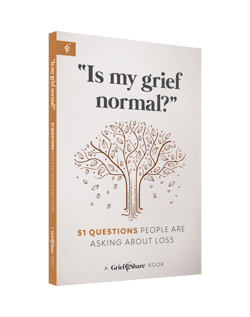
If this article helped you, you may find more encouragement in the book, “Is My Grief Normal?” 51 Questions People Are Asking About Loss,”—a compassionate guide that gently answers the tough questions grief brings. And if you’re ready to connect with others who understand, consider joining a GriefShare group where you’ll find Christ-centered support and encouragement.